Two releases, one schema.
Both releases share the same features and file layout, so code written against the 10-hour sample also reads the 100-hour release.
| Item | Wake Egocentric 10h | Wake Egocentric 100h |
|---|---|---|
| Hours | 10.21 | 100.31 |
| Episodes | 242 | 926 |
| Tasks | 130 | 160 |
| Contributors | 196 | 448 |
| Countries | 43 | 44 |
| Capture devices | 43 | 54 |
| Download size | 51.4 GiB | 492 GiB |
What each episode holds.
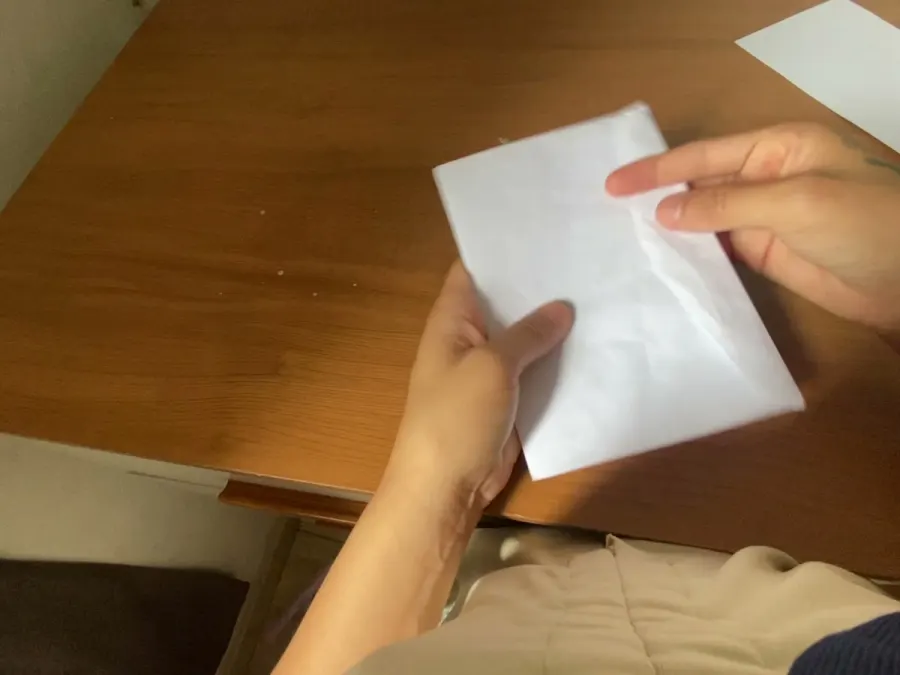
Each episode is one attempt at a published Wake task, recorded hands-free with a phone worn on the head.
- Head-mounted phone video, upright as decoded, at 30 fps with no audio.
- IMU for every frame: acceleration with gravity removed, angular velocity and the phone's orientation.
- The task, its category, the capture device, the country and the month of recording.
- No hand tracking and no robot actions. The state and action fields are present and filled with zeros.
Download from Hugging Face.
Both releases are free under the Apache License 2.0 and need no Hugging Face account. The files follow LeRobot v3.0; confirm compatibility with your installed LeRobot version before training.
Questions, answered.
Which release should I start with?
Start with the 10-hour sample to check the footage, the schema and your loader. Move to the 100-hour release when you need more episodes.
Do the datasets include robot actions?
No. They hold human demonstration video and phone IMU data. Robot actions need separately measured signals or a documented mapping.
Can Wake record more hours or my own tasks?
Yes. Additional hours and custom collection are licensed separately. Tell us the task, the setting and what the recording must show.