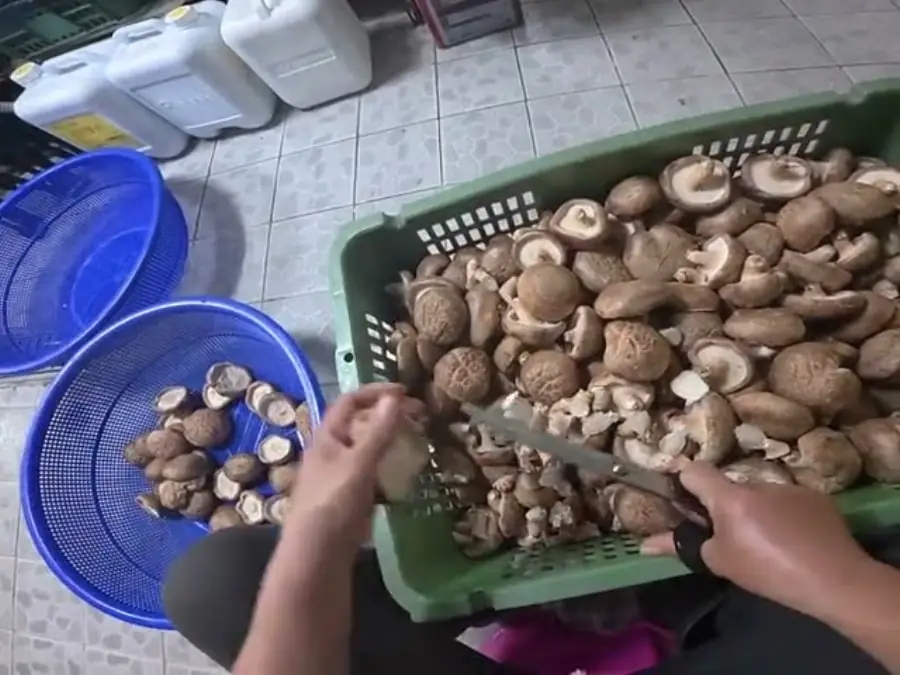
Follow the preparation sequence.
Look for the order of actions, tool changes and visible ingredient or material states. Occlusion near the hands can hide the step a model needs to learn.
Label observable transitions.
Define when preparation begins, when an item changes state and what counts as a completed step. Separate interruptions from the action itself.
Scope a workplace recording.
Name the station, tools, ingredients or materials, and workflow variations. Agree access and permissions before recording workers or customers.
Questions, answered.
What labels matter for kitchen activity?
Task instructions, tool and object names, action boundaries and visible state changes help describe a preparation sequence. Confirm which labels exist in the selected collection.
Can recordings be used directly as robot commands?
No. First-person kitchen video does not itself provide a robot control signal.